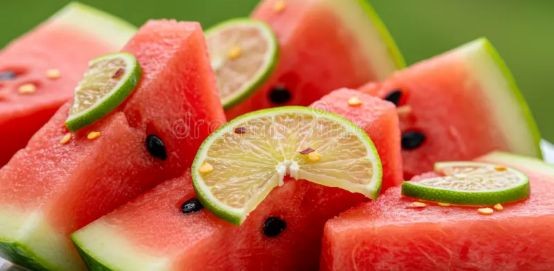

The ultimate hydration tool🍉🍉🍉
Over the years working as a performance chef with high-level athletes, you start to notice the small things that consistently make a difference. Hydration is one of them, if not the biggest!
Watermelon is a great source of hydration and nutrition for endurance exercise: walking, hiking, swimming, skating, cycling, climbing, basketball, tennis, skiing, pickleball, etc.
Here’s why my watermelon based juice is still one of my favourite natural hydration tools 👇🏻
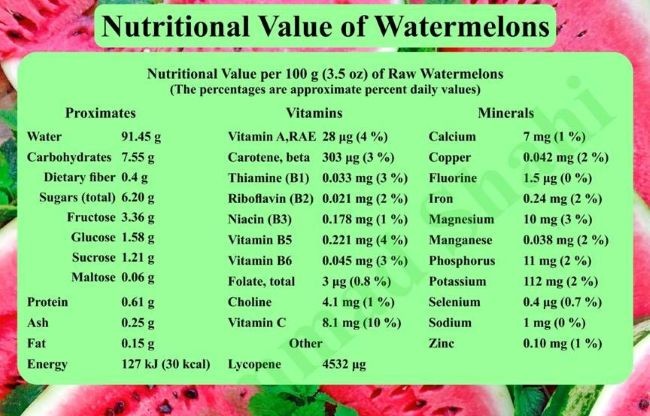
✅92% water. Watermelon is roughly 91–92% water, meaning when you drink it as juice your body absorbs fluid extremely quickly. For athletes, this helps restore hydration after training, heat exposure, or long travel.
✅Natural Electrolytes. Watermelon contains about 3% of the daily minimum requirements for potassium and magnesium, essential for peak athletic performance before, during and after training and racing. These key electrolytes are integral to fluid balance.
• Potassium – supports muscle contraction and fluid balance
• Magnesium – assists cellular hydration and recovery
• Small amounts of sodium – helps maintain electrolyte balance
✅Easily absorbed natural sugars. Watermelon contains about 6% of simple sugars (glucose and sucrose). These sugars are easily and quickly digestible for instant energy boost. They improve hydration by assisting glucose-sodium transport across intestinal cells.
👉🏻 the body absorbs fluids faster when a small amount of carbohydrate is present.
✅ Citrulline for circulation. Watermelon is one of the best natural sources of L-citrulline, an amino acid that converts to arginine and supports nitric oxide production.
This improves blood flow and nutrient delivery, which is why watermelon is often used in performance nutrition for recovery and muscle function.
✅Antioxidants and recovery compounds. Watermelon is the richest known dietary source of the amino acid citrulline, with the highest amount found in the white grind surrounding the flesh.
Watermelon contains 👇🏻
• Lycopene – powerful antioxidant linked to reduced inflammation
• Vitamin C – supports immune health and tissue repair
• Vitamin A precursors – supports skin and cellular health
These help reduce oxidative stress after training or heat exposure.
✅Vitamin C. Watermelon contains about 10% of the daily minimum values for Vitamin C. Vitamin C plays a significant role in exercise by acting as an antioxidant and supporting collagen synthesis.
✅Watermelon is a cooling food. Watermelon is a food that cools the core body temperature, important for training and racing on hot or hot and humid conditions. More about Core Body Temperature Cooling Foods
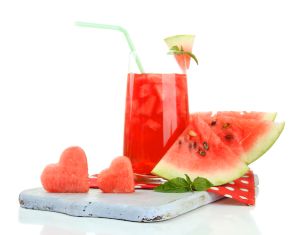
My Melonade Juice Recipe🍉🍋🟩🍉🍋🍉
This is one of those simple recipes I keep coming back to. I’ve used it around training blocks, recovery days, travel, and hot environments when athletes need something that naturally supports hydration without relying on powders or artificial drinks.
It’s clean, natural, and incredibly effective. Also perfect for the kiddies, mine love it 😁
RECIPE 👇🏻
Simple cold press method
1. Peel and cube 1.2–1.3 kg organic watermelon flesh
2. Juice through a cold-press juicer
3. Add 3 peeled organic limes
4. Add a small handful of fresh mint
5. Stir and chill before serving
Approximate values per litre 👇🏻
Calories: 160 kcal
Carbohydrates: 38 g
Natural sugars: 30 g
Protein: 3 g
Fat: 0 g
Key micronutrients:
• Potassium 700–800 mg
• Magnesium 60 mg
• Vitamin C 70–80 mg
• Lycopene 12–15 mg
• L-citrulline 600 mg
ENJOY 😁🍉
Stay healthy 💪🏻
Chef James lives in Manchester, England
Chef James THE PERFORMANCE CHEF | Founder of Project Performance | Leading International Private Performance Chef to Elite Athletes | Michelin trained | Author | Performance Testing
More about Chef James