


Neuroprotective mechanisms of endurance exercise
Significant evidence suggests regular exercise improves brain health and that a sedentary and unhealthy lifestyle accelerate brain aging.
A recent study published in The Lancet explored what are the neuroprotective mechanisms of exercise focused on endurance exercise. The study found regular physical activity, High Cardiorespiratory Fitness (CRF), or a combination of both, can improve brain health. See Neuroprotective mechanisms of exercise and the importance of fitness for healthy brain ageing
Cardiorespiratory fitness (CRF) is the ability of the circulatory and respiratory systems to efficiently supply oxygen to the body during sustained physical activity and is a key indicator of overall health.
CRF is a marker for longevity.
The study advocates the integration of endurance exercise that enhances CRF into public health initiatives.
Importance of cardiorespiratory fitness
The study highlights the importance of CRF in promoting healthy brain aging and found that a healthy CFR can delay Dementia and Alzheimer.
Key findings show how CRF mediates the neuroprotective effects of exercise via mechanisms such as improved cerebral blood flow, reduced inflammation, and enhanced neuroplasticity.
Exercise-induced Exerkines
Exerkines are a group of molecules released during exercise. Exerkines include hormones, metabolites, proteins and nucleic acids and are synthesized and secreted from a broad variety of tissues and cells. The effects of Exerkines are thought to underlie much of the health benefits of exercise in terms of enhanced resilience, healthspan and longevity. The below chart illustrates the wide-ranging sources and effects of Exerkines.
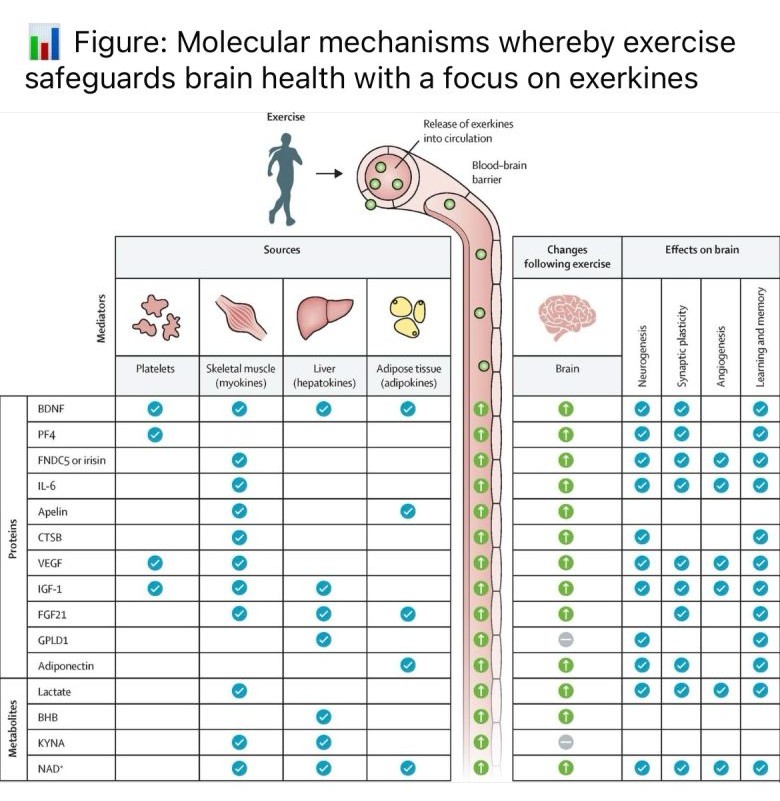
Atefe Tari, PhD, a joint first author of the study, is in The Cardiac Exercise Research Group at the Faculty of Medicine and Health Sciences, Department of Circulation and Medical Imaging, Norwegian University of Science and Technology, Trondheim, Norway. See Atefe Tari on Linkedin

Endurance athletes and resting pulse rate
Endurance athletes, like ultra runners, cyclists, distance hikers, open water swimmers, cross country skiers, and Ironman triathletes, that prudently manage their sleep and recovery between training workouts, tend to have a healthy low resting pulse rate. A low and efficient resting pulse rate can be a factor encouraging longevity.
More about Resting Heart Rate as a Measure of Health, Fitness and Lifespan, See also Nitric Oxide Natural Food Sources Health Benefits
More about Ralph Teller