
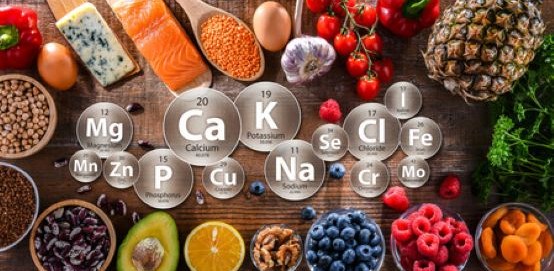

A recent study published in MDPI examined the essential mineral nutrients that play critical roles in human health by regulating various physiological functions. See Minerals and Human Health: From Deficiency to Toxicity
What follows is an outline of these minerals, the key roles played in our health, and importantly, a link to the mineral natural food sources.
These minerals keep your brain, heart, metabolism, hormones, bones, immunity, and energy production running smoothly!
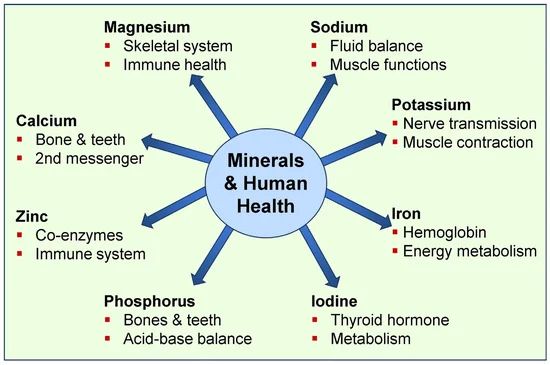
Here are some of the Minerals specific details 😁
Role of macrominerals calcium, phosphorus, magnesium, sodium and potassium💪🏻
✅Calcium
Calcium (Ca) is essential for numerous physiological processes, including bone health, muscle contraction, nerve signaling, and blood clotting. Approximately 99% of the body’s Ca is stored in bones and teeth. See Calcium Natural Food Sources. Ca and Mg interact to ensure proper neuromuscular function and cellular stability and play a role in aging.The balance between Ca and Mg is crucial for maintaining proper physiological functions, as both minerals play key roles in cellular signaling, muscle contraction, nerve transmission, and cardiovascular health
✅Phosphorus
Phosphate is crucial for various cellular processes, including ATP production, intracellular signal transduction, bone mineralization, cell membrane formation, and DNA and RNA synthesis.
✅Magnesium
Magnesium (Mg) is essential for many physiological functions, including enzymatic activity, hormone synthesis and release, neuromuscular function, cellular energy balance, and receptor activation. Magnesium has been associated with improvements in sleep quality and reductions in nocturnal awakenings. See Magnesium Natural Food Sources. Deficiencies in macrominerals such as calcium, magnesium, and phosphate can lead to osteoporosis (associated with falls and fractures), cardiovascular events, and neuromuscular dysfunction.
✅Sodium
Sodium is essential for fluid balance, blood pressure, and nerve impulses.
✅Potassium
Potassium and Magnesium help regulate blood pressure and heart rhythm, and the inadequacy of these minerals may increase the risk of hypertension and cardiovascular diseases. See Potassium Natural Food Sources.
Role of microminerals iron, zinc, copper, iodine, selenium and manganese💪🏻
✅Zinc
Zinc helps build proteins, repair tissues, support growth, create testosterone, and regulate immune cells. Zinc plays a role in melatonin synthesis and is associated with improved sleep quality. See Zinc Natural Food Sources
✅Copper
Copper deficiency may cause anemia and neutropenia, affecting oxygen transport and immune function.
✅Iron
Iron is critical for neurotransmitter regulation and has been associated with improvements in sleep quality and reductions in nocturnal awakenings. See Iron Natural Food Sources. Iron is an essential component of hemoglobin and myoglobin to make red blood cells crucial for oxygen transport in the blood and energy metabolism. Zinc, selenium, and iron inadequacy can impair immune responses and increase infection susceptibility.
✅Iodine
Iiodine is used by the thyroid gland to regulate growth, energy, and brain development.
✅Selenium
Selenium deficiency impairs oxygen transport, immune function, and antioxidant defenses, contributing to anemia, delaying wound healing, and increasing susceptibility to infectious diseases. See Selenium Natural Food Sources.
✅Manganese
Manganese is essential to support enzyme function, brain and nervous system health, bone formation, inflammationn control and nutrient processing.
You may consider consuming natural foods that contain these minerals in concert with protein foods. Carlene Starck, PhD, a Metabolic Nutrition Scientist, has outstanding insight on the importance of achieving a protein quality diet. See Achieving a Protein Quality Diet
See also Chef James recommended natural food due combinations for peak performance. Natural Food Duos
Takeaway 💪🏻
Consuming natural food sources of key minerals play a big role in your overall health and longevity!
You’re in control!
More about Ralph Teller